Mevagissey has been used as a filming location for a wide range of films and television productions over the years. Its historic harbour and narrow streets have made it a natural setting for both period dramas and modern adaptations.
Mevagissey has been used as a filming location for several films and TV series, ranging from classic British cinema to modern European television productions.
Notable productions filmed in Mevagissey include:
- Johnny Frenchman (1945)
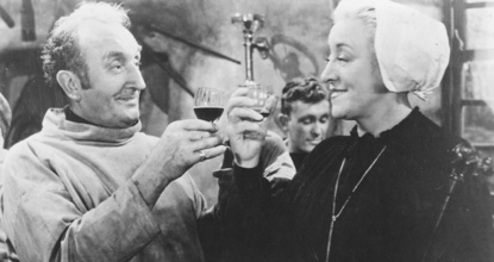
Johnny Frenchman (1945) is one of the most notable films shot in Mevagissey, featuring scenes around the harbour and capturing traditional Cornish fishing life
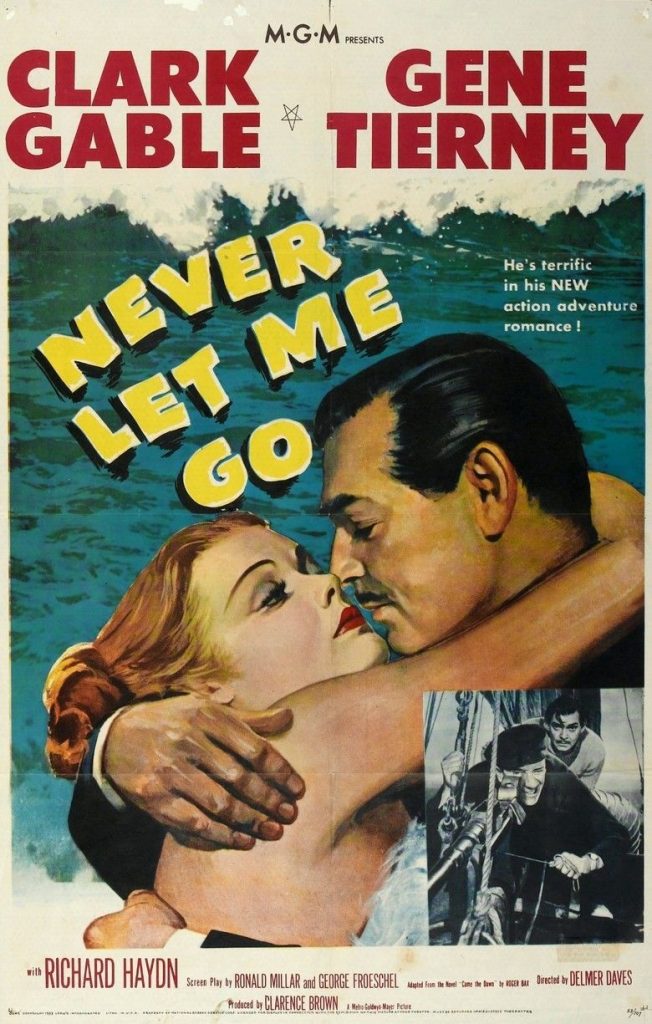
- Never Let me Go (1953)
- Dangerous Exile (1957)

Poster for Dangerous Exile (1957), a film shot in and around Mevagissey harbour.
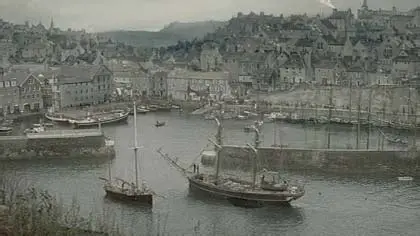
- Dracula (BBC, 1970’s)
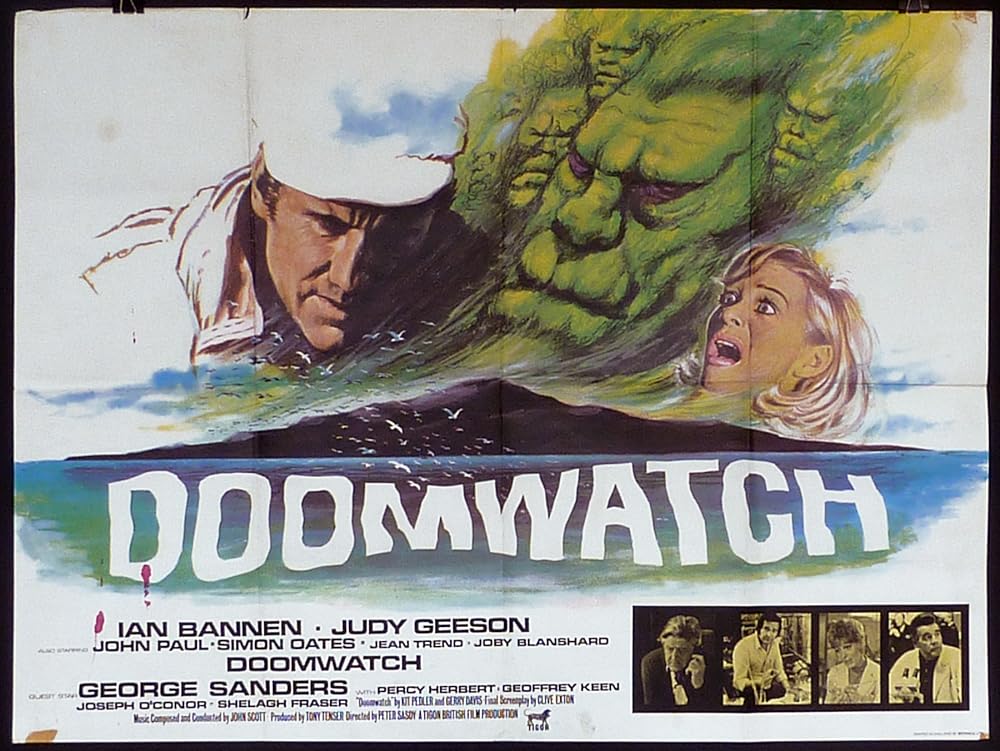
- Doomwatch (1972
Rosamunde Pilcher in Mevagissey
Mevagissey is widely recognised as one of the key filming locations for adaptations of novels by Rosamunde Pilcher. Produced primarily for German television, these films have introduced millions of viewers across Europe to the harbour and surrounding coastline.
The village’s traditional Cornish character, narrow streets, and picturesque waterfront make it an ideal setting for the romantic and scenic style associated with Rosamunde Pilcher productions. As a result, Mevagissey has become a popular destination for visitors from Germany and beyond who wish to explore the real-life locations seen on screen.
Many scenes are filmed around Mevagissey Harbour, where the combination of working fishing life and historic architecture creates an authentic backdrop that has remained largely unchanged over time.
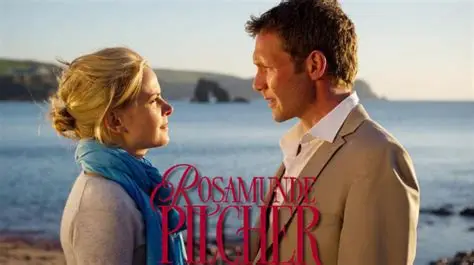
Scenes from Rosamunde Pilcher adaptations are regularly filmed around Mevagissey Harbour
Where in Mevagissey are films shot?
Most filming takes place around Mevagissey harbour, the inner quay, and the narrow streets surrounding the waterfront. These locations provide an authentic Cornish backdrop that has remained largely unchanged for decades
Today, Mevagissey continues to attract film crews, particularly for productions aimed at European audiences, wher Cornwall’s coastal scenery is widely recognised.